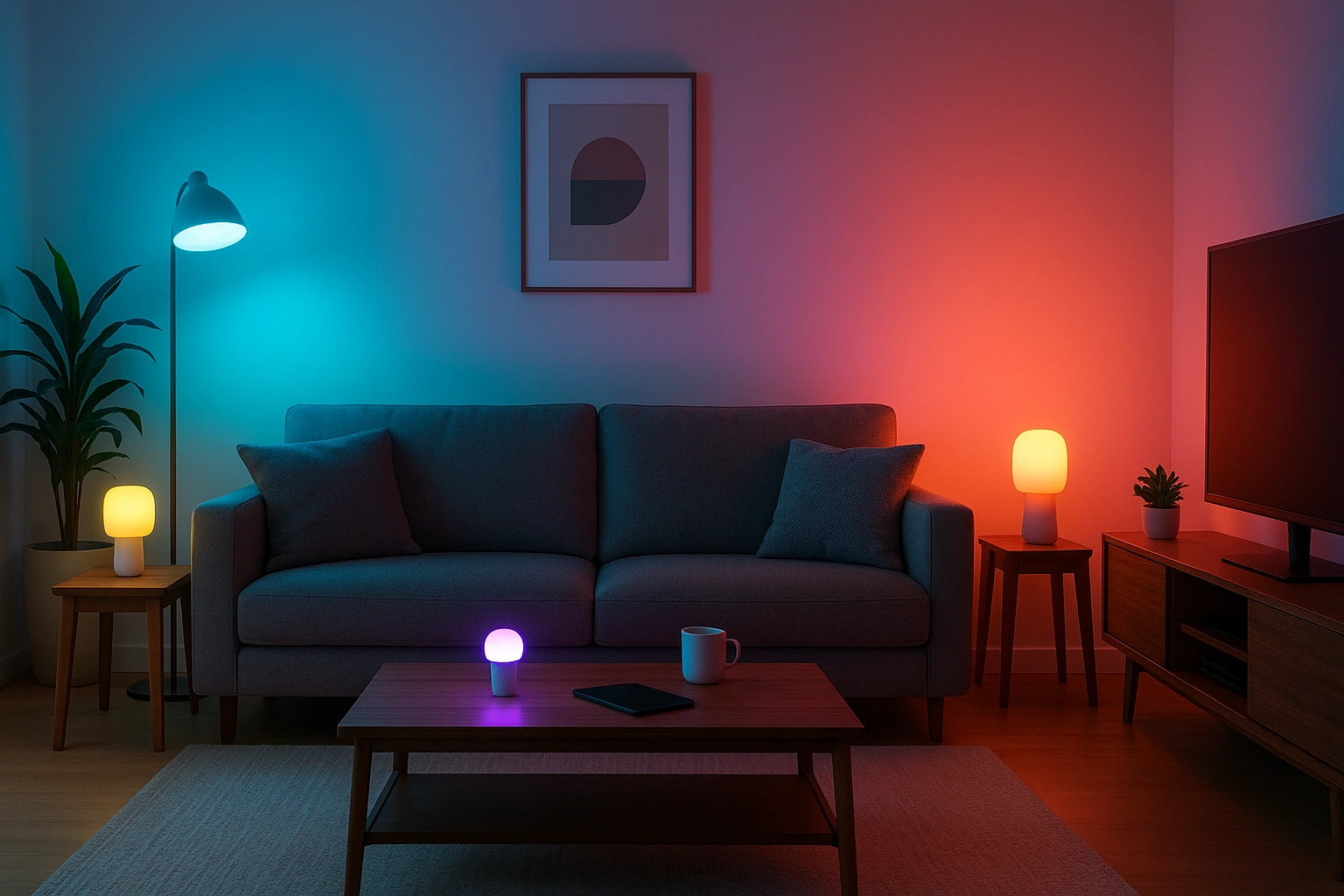
Did you know that lighting accounts for nearly 15% of global electricity consumption? That’s a staggering figure, and it directly impacts your monthly utility bill. In an age of rising energy costs and a growing eco-consciousness, leaving the lights on is more expensive than ever.
This guide will illuminate the world of smart lighting. We’ll explore why Energy-Saving Smart Bulbs are a must-have in 2025, how to choose the best ones for your needs, and how to avoid common pitfalls on your journey to a brighter, greener home.
What Are Energy-Saving Smart Bulbs?
At their core, Energy-Saving Smart Bulbs are high-efficiency LED (Light Emitting Diode) bulbs with built-in microchips that allow them to connect to your home network (via Wi-Fi, Bluetooth, or another protocol). This connectivity unlocks a world of remote control and automation directly from your smartphone, tablet, or voice assistant like Alexa or Google Assistant. You’re no longer just flipping a switch; you’re programming your environment.
Their relevance in 2025 cannot be overstated. With global energy prices on the rise, consumers are actively seeking ways to reduce consumption without sacrificing comfort. Data from Statista shows that the smart home market is booming, with energy management being a key driver. These bulbs are a gateway to home automation lights, offering an easy and affordable entry point into creating a truly responsive and eco-friendly lighting environment.
Why Energy-Saving Smart Bulbs Are a Brilliant Investment
The advantages of switching to Energy-Saving Smart Bulbs go far beyond simple convenience. They represent a fundamental upgrade to your home’s efficiency and your quality of life.
Drastically Reduce Your Energy Bills
This is the most compelling benefit. Energy-Saving Smart Bulbs consume up to 85% less energy than their incandescent predecessors. Let’s do some quick math. A traditional 60W bulb used for 5 hours a day consumes 109.5 kWh of electricity per year. A 9W smart LED bulb used for the same duration consumes only 16.4 kWh. At an average of $0.15 per kWh, that’s a saving of over $14 per year, *per bulb*. Multiply that by 20 bulbs in your home, and you’re saving nearly $300 annually. The “smart” features take these savings even further:
- Scheduling: Automatically turn lights off when you leave for work and on just before you return. No more wasted energy on an empty house.
- Dimming: Lowering the brightness to 50% can cut energy use by nearly the same amount. It not only sets the mood but also pads your wallet.
- Motion Sensors: Pair bulbs in hallways, bathrooms, or closets with sensors so they only activate when a room is occupied and turn off automatically.
Create Perfect Ambiance for Any Moment
With the tap of a button, you can transform a room’s atmosphere. Whether you’re hosting a party, watching a movie, or reading a book, you can set the perfect scene. After setting the mood, you could even stream a great film from a site like Kamar Film.
- Tunable White: This is a wellness game-changer. Adjust the color temperature from a cool, energizing blue-white (like morning daylight) for daytime focus to a warm, relaxing amber-white (like a sunset) for evening winding down. This can help regulate your body’s natural circadian rhythm.
- Full Color (RGB): Choose from millions of colors to match your decor, celebrate a holiday (think red and green for Christmas or orange for Halloween), or create dynamic light shows that sync with music or movies for an immersive entertainment experience.
Enhance Home Security and Peace of Mind
Smart bulbs are a powerful, yet simple, tool for home security. The “Away” or “Vacation” mode can simulate your presence by turning lights on and off in different rooms at random intervals, making it look like someone is home and deterring potential intruders. You can also use geofencing, a feature that uses your phone’s GPS, to have your lights automatically turn on as you pull into the driveway, ensuring you never come home to a dark house again.
How They Work: Key Features Explained
Navigating the world of smart bulbs is easy once you understand the core technologies.
- Connectivity Protocol: How the bulb talks to your network.
- Wi-Fi: Connects directly to your router. The setup is incredibly simple, with no extra hardware needed. Best for starting out or for a few bulbs in one or two rooms. The downside is that too many Wi-Fi devices can congest your network.
- Bluetooth Mesh: Connects directly to your phone for control within a certain range (about 30 feet). A “mesh” network means the bulbs can talk to each other, extending the range. Good for single-room setups and doesn’t rely on your internet connection.
- Zigbee/Z-Wave: These require a smart home hub (like an Amazon Echo with a built-in hub, or a dedicated hub from brands like Philips Hue or Aeotec). They create a separate, low-power network for your smart devices, which is extremely reliable and doesn’t clog your Wi-Fi. This is the best choice for whole-home systems with many devices.
- Color & Temperature Options:
- Dimmable White: The most basic and affordable; offers brightness control only. Perfect for closets, hallways, or utility areas.
- Tunable White: Allows you to adjust the shade of white from cool to warm (typically 2200K to 6500K). Ideal for living rooms and bedrooms where mood is important.
- RGB/Full Color: Offers millions of color options in addition to tunable whites. Best for accent lighting, kids’ rooms, and entertainment areas.
- Ecosystem & App Control:
Ensure the bulbs are compatible with your preferred ecosystem (Apple HomeKit, Google Home, Amazon Alexa) for seamless voice control and integration with other smart devices. A good app is crucial—it should be intuitive, stable, and offer robust automation options.
Real-Life Test: A Week with the “AuraGlow” Smart Bulb Kit
I swapped out five of my most-used lights with the fictional “AuraGlow” starter kit, which included two tunable white bulbs and two full-color bulbs. Setup was shockingly simple: screw in the bulb, download the app, and connect to Wi-Fi. Within 10 minutes, my home lighting was fully controllable from my phone.
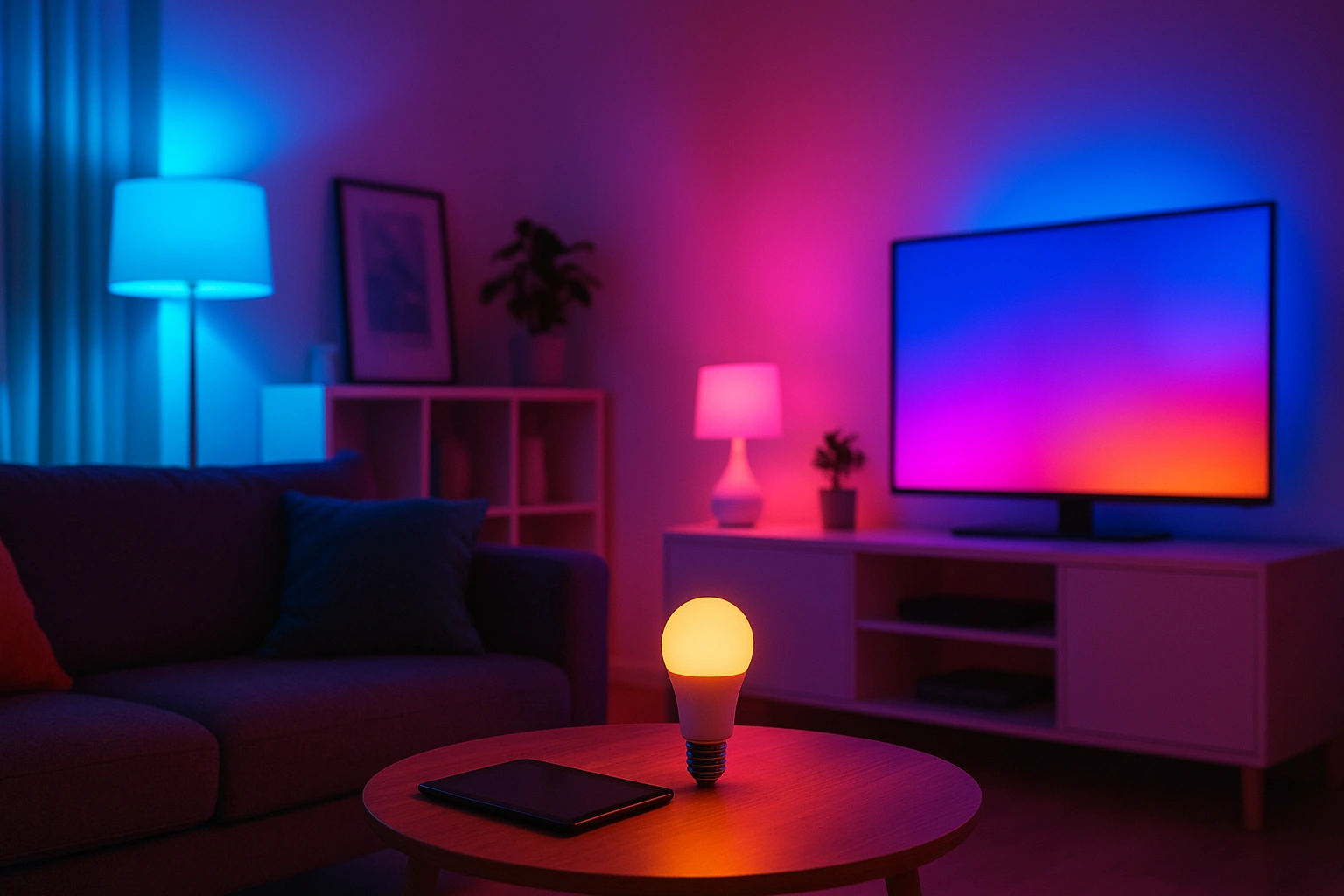
The biggest change was in my daily routines. I created a “Sunrise” routine where my bedroom lights fade on gently over 15 minutes, creating a natural wake-up call that made mornings far less jarring. In the evening, a “Relax” scene automatically dimmed the living room lights to a warm, cozy glow at 8 PM. The “Movie Night” scene, with its deep blue accent lighting behind the TV, was a huge hit and made the experience much more immersive. It felt like a true, tangible upgrade to my living space, not just a gimmick.
| Pros | Cons |
|---|---|
| Incredibly easy to install and set up | Higher initial cost per bulb than standard LEDs |
| Scheduling and scenes genuinely improve daily life | Can be confusing if someone uses the physical switch (a smart switch solves this) |
| Vibrant colors and excellent brightness control | Reliant on a stable Wi-Fi connection for Wi-Fi bulbs |
| Noticeable difference in home ambiance | App interface could be more intuitive on some budget brands |
2025 Smart Bulb Showdown: Top Brands Compared
Which smart bulb is right for you? Here’s how some of the leading (fictional) brands of Energy-Saving Smart Bulbs stack up.

| Brand | Key Features | Pros | Cons | Best For |
|---|---|---|---|---|
| LumiGlow | Wi-Fi, Rich Colors, Intuitive App | No hub required, excellent color accuracy | Premium price point | Users who want the best quality and ease of use. |
| EcoBright | Zigbee, Focus on Tunable Whites | Extremely reliable, energy-efficient | Requires a hub, limited color options | Whole-home systems focused on efficiency. |
| ChromaSync | Matter-certified, Music Sync, Premium Build | Universal compatibility, great for entertainment | App can be complex, requires firmware updates | Tech enthusiasts and smart home power users. |
| ConnectaLight | Wi-Fi/Bluetooth, Budget-Friendly | Very affordable, flexible connectivity | Colors are less vibrant, app is basic | Beginners and budget-conscious buyers. |
7 Common Mistakes to Avoid When Buying Smart Bulbs
Avoid these common errors to ensure a smooth transition to smart lighting:
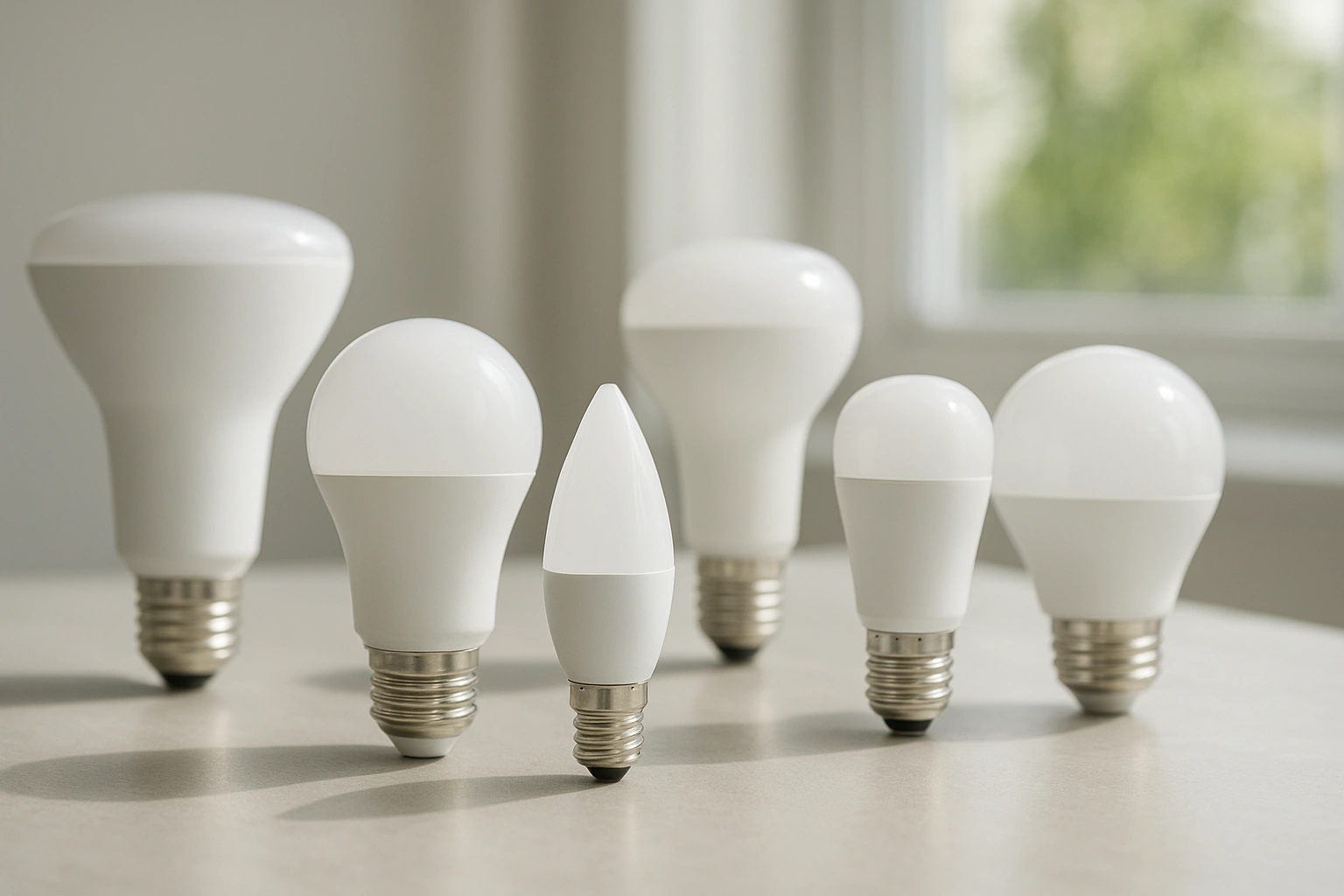
- Buying the Wrong Base: It’s the most basic mistake. Before you buy, unscrew an existing bulb and check the base type. The most common is E26/E27 (the standard screw-in), but candelabras (E12) or spotlights (GU10) are also prevalent.
- Ignoring Connectivity: Buying a Zigbee bulb when you don’t have a hub (or a smart speaker with one built-in) will lead to frustration. Always match the bulb’s protocol to your existing setup or your future plans.
- Forgetting About Brightness (Lumens): Don’t just look at watts. Lumens measure brightness. An 800-lumen bulb is a good replacement for a standard 60W incandescent bulb. For a kitchen or office, you might want 1100 lumens or more.
- Using Them with Physical Dimmer Switches: This is a critical one. Smart bulbs have their own dimming hardware inside. Using them with an external, wall-mounted dimmer switch can cause flickering, buzzing, and can permanently damage the bulb. You must leave the physical dimmer at 100% or replace it with a standard switch.
- Placing Them in Fully Enclosed Fixtures: LEDs generate some heat. While much less than incandescent bulbs, that heat needs to dissipate. A fully enclosed glass fixture can trap heat and significantly reduce the bulb’s lifespan.
- Not Planning Your Ecosystem: Mixing and matching brands can lead to a clunky experience where you’re juggling multiple apps. Try to stick to one brand or ensure all your chosen devices are compatible with a single platform like Google Home or Apple HomeKit.
- Overlooking App Quality: A bulb is only as good as its app. Before buying, check the app store reviews for the brand’s companion app. Is it stable? Is it easy to create schedules and scenes? A poorly designed app can ruin the entire experience.
The Future is Bright: What’s Next for Smart Lighting?
Smart lighting is evolving rapidly. Here’s a glimpse of what’s on the horizon:
AI and Predictive Lighting
Imagine lights that learn your daily routines without you programming them. Future systems will use AI and presence sensors to know when you’re likely to be in a room, what activity you’re doing, and adjust the lighting predictively. It will know you need bright, cool light in the kitchen at 6 PM for cooking and dim, warm light in the living room at 9 PM for relaxing.
Deeper Integration with Health and Wellness
The focus on circadian rhythms is just the beginning. Expect to see smart lighting systems that can provide light therapy to combat seasonal affective disorder (SAD), use subtle color shifts to improve focus or promote calm, and even use sensors to monitor your sleep patterns and adjust the light accordingly.
Greater Sustainability and Eco-Innovation
As technology improves, the energy consumption of LEDs will drop even further. We’ll also see bulbs made from more sustainable, recycled materials and packaging that is 100% plastic-free. The entire lifecycle of the product, from creation to disposal, is becoming a key focus for leading brands.
Expert Tips for a Smarter Home
“Don’t just think of smart bulbs as remote-controlled lights. Think of them as data points. Use their scheduling and automation features to align your home’s lighting with your circadian rhythm for better sleep and productivity.”
— Dr. Alistair Finch, Smart Home Analyst
- Start Small: Begin with one or two rooms (like the living room or bedroom) to learn the system before committing to a whole-house setup.
- Create Scenes, Not Just Schedules: Group lights together into scenes like “Focus,” “Relax,” or “Entertain” for one-tap mood setting. This is more powerful than just on/off timers.
- Use Voice Control: Link your bulbs to Alexa, Google Assistant, or Siri for hands-free control. It feels futuristic and is incredibly practical when your hands are full.
- Explore Integrations: Use services like IFTTT (If This Then That) to connect your lights to other apps and devices. (e.g., “If my team scores, flash my lights blue,” or “If my security camera detects motion, turn on the porch light.”).
- Invest in Smart Switches: For areas with many bulbs controlled by one switch (like a kitchen with recessed lighting), a single smart switch can be more cost-effective and intuitive than replacing every bulb.
Frequently Asked Questions (FAQ)
Do Energy-Saving Smart Bulbs actually save money on electricity bills?
Yes. Energy-Saving Smart Bulbs are LEDs, which use up to 85% less energy than incandescent bulbs. Their smart features, like scheduling and dimming, further reduce energy consumption, leading to significant savings over time.
Do I need a special hub for smart bulbs to work?
It depends on the bulb. Many modern smart bulbs connect directly to your home’s Wi-Fi network and don’t require a hub. Others use protocols like Zigbee or Z-Wave, which do require a compatible smart home hub (like Amazon Echo or Google Nest Hub) to function.
Can smart bulbs be used in any light fixture?
Mostly, yes. As long as the bulb’s base (e.g., E26, E27, GU10) matches the fixture, it should work. However, they are not recommended for fully enclosed fixtures, as heat buildup can shorten their lifespan.
What happens if the internet goes down? Will my lights still work?
Yes. You can still turn your lights on and off using the physical light switch, just like a regular bulb. You will only lose the ‘smart’ functionality (app control, voice commands, scheduling) until your internet connection is restored.
How long do Energy-Saving Smart Bulbs last?
These bulbs typically last between 15,000 to 25,000 hours. That’s more than 15 times longer than a traditional incandescent bulb, making them one of the most durable and cost-effective lighting solutions available.